
Navigating Common Homeowners Insurance Claims
- Oct 14, 2025
- 4 min read
When unexpected damage strikes your home, knowing how to navigate the insurance claim process can save you time, stress, and money. Home insurance claim tips are essential for homeowners to understand how to effectively file claims and get the compensation they deserve. This guide will walk you through common scenarios, practical advice, and key considerations to help you manage your claim with confidence.
Understanding the Basics of Home Insurance Claims
Homeowners insurance covers a variety of risks, including fire, theft, water damage, and natural disasters. However, the process of filing a claim can be confusing if you are unfamiliar with the steps involved. Here’s a simple breakdown:
Document the damage immediately: Take photos and videos of the affected areas.
Review your policy: Understand what is covered and any deductibles.
Contact your insurance company: Report the claim as soon as possible.
Keep receipts: Save all receipts for repairs or temporary accommodations.
Work with an adjuster: An insurance adjuster will assess the damage and estimate costs.
By following these steps, you can ensure your claim is processed smoothly and fairly.
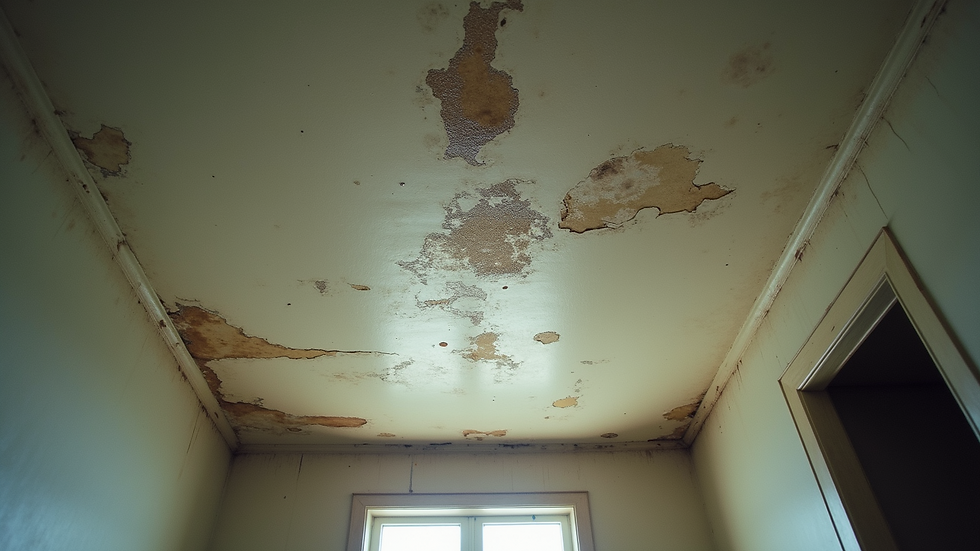
Documenting damage is the first step in a successful claim.
Essential Home Insurance Claim Tips for a Smooth Process
Filing a claim can be overwhelming, but these home insurance claim tips will help you stay organized and proactive:
Act quickly but carefully: Report the damage promptly to avoid delays, but don’t rush repairs without approval.
Keep detailed records: Maintain a file with all correspondence, photos, and estimates.
Understand your policy limits: Know your coverage limits to avoid surprises.
Mitigate further damage: Take reasonable steps to prevent additional damage, such as covering broken windows or leaking roofs.
Get multiple repair estimates: This can help you negotiate with your insurer if needed.
Ask questions: Don’t hesitate to clarify any part of the claim process with your insurance agent.
These tips empower you to handle your claim efficiently and avoid common pitfalls.

Careful review of your policy helps avoid misunderstandings.
Is it worth claiming on house insurance?
Deciding whether to file a claim depends on several factors. While it might seem beneficial to claim for every damage, sometimes it’s better to handle minor repairs yourself. Here are some points to consider:
Claim amount vs. deductible: If the repair cost is close to or less than your deductible, filing a claim may not be worthwhile.
Impact on premiums: Frequent claims can increase your insurance premiums.
Severity of damage: For major damages like fire or storm destruction, claims are usually necessary.
Long-term benefits: Consider if the claim will help restore your home’s value or prevent further issues.
Evaluate these factors carefully before deciding to file a claim. Consulting with a professional can also provide clarity.

Assess damage severity before deciding to file a claim.
Common Types of Home Insurance Claims and How to Handle Them
Different types of claims require different approaches. Here are some of the most common claims and tips for handling each:
Water Damage Claims
Water damage can result from burst pipes, leaks, or flooding. Immediate action is crucial:
Shut off the water source.
Document all damage.
Dry out the area to prevent mold.
Contact your insurer quickly.
Fire Damage Claims
Fire damage often requires extensive repairs:
Ensure safety before entering the home.
Take photos of all damage.
Keep receipts for temporary housing.
Work closely with your adjuster.
Theft and Vandalism Claims
For theft or vandalism:
File a police report immediately.
List all stolen or damaged items.
Provide proof of ownership if possible.
Secure your home to prevent further incidents.
Wind and Storm Damage Claims
Storm damage can include roof damage, broken windows, or fallen trees:
Document all damage.
Make temporary repairs to prevent further harm.
Get professional estimates for repairs.
Understanding the specifics of each claim type helps you prepare and respond effectively.
Tips for Working with Insurance Adjusters
Insurance adjusters play a key role in evaluating your claim. Here’s how to work with them effectively:
Be honest and thorough: Provide accurate information and documentation.
Be present during inspections: Walk through the damage with the adjuster.
Ask questions: Clarify any unclear points.
Keep communication professional: Stay calm and polite.
Get a second opinion if needed: If you disagree with the adjuster’s assessment, consider hiring a public adjuster.
Building a good rapport with your adjuster can facilitate a fair settlement.
Final Thoughts on Managing Your Home Insurance Claim
Navigating a home insurance claim can be challenging, but with the right knowledge and preparation, you can protect your investment and restore your home efficiently. Remember to document everything, understand your policy, and communicate clearly with your insurer. If you ever feel overwhelmed, professional help is available to guide you through the process.
For more detailed assistance and expert advice on homeowners insurance claims, consider reaching out to Ibis Public Adjusting who specializes in maximizing your claim benefits.
By staying informed and proactive, you can turn a stressful situation into a manageable one and get your home back to normal as quickly as possible.


Comments